

Your home should evolve alongside the people who live within it. For many homeowners, the desire for additional space is not simply about square footage; it’s about creating a home that better supports your everyday routines, future plans and long-term comfort. Expanding upward with a second story can open the door to entirely new possibilities and dramatically transform both the function and experience of your home.
As families grow and lifestyles change, homeowners may find themselves needing more living space without wanting to relocate. A second story addition offers a practical and highly-customized solution for those who love their location but need additional room for bedrooms, an office, entertaining or a private retreat. In areas where lot size is limited, building upward often makes more sense than expanding outward. A well-designed second-story addition can also significantly increase resale value.
Because these additions are complex, a successful home addition remodel requires far more than construction experience alone. Structural engineering, architectural planning, interior design, permitting and project management all play critical roles. Working with an experienced design-build remodeling firm helps ensure every aspect of your project is coordinated from concept through construction.
Is Your Home a Good Candidate for a Second Story Addition?
Not every home is automatically suited for a second story addition, which is why the evaluation phase is so important. One of the first steps in a custom home renovation involves assessing whether your existing structure and foundation can safely support another level. Older homes may require reinforcement, while newer homes may already have the structural capacity needed for expansion.
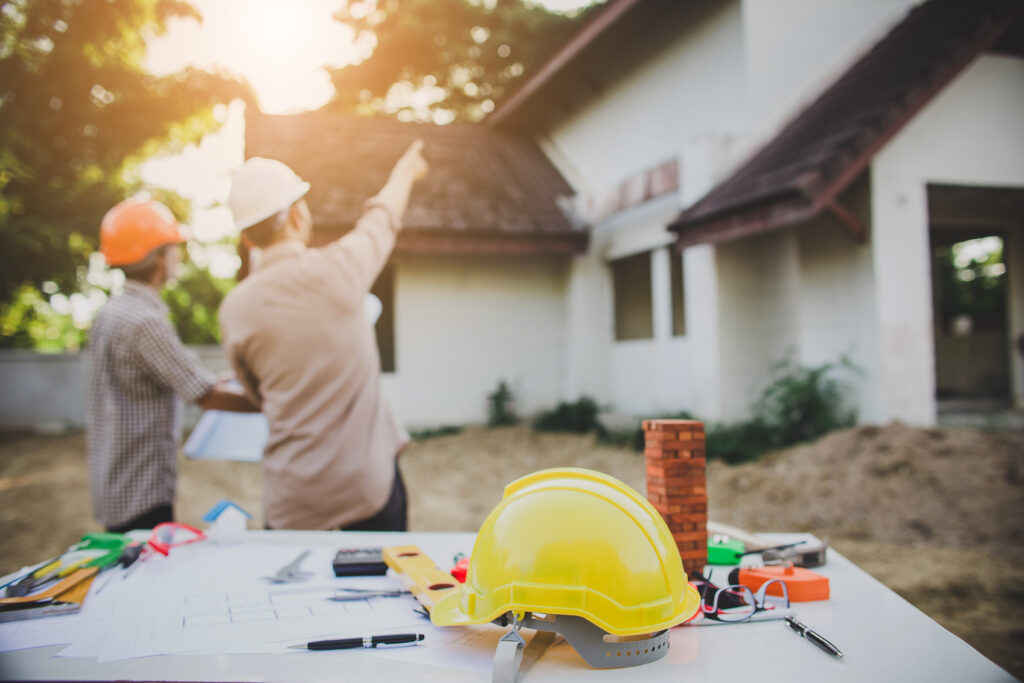
“One of the first things we evaluate is whether the existing structure can safely support a second story,” says Marcelle Beneteau, Architectural Designer with Mainstreet Design Build. “Every successful addition starts with understanding the home’s structural capabilities.”
Roof design and the current floor plan also influence how easily a second-floor home addition can be integrated into the existing home. Some roof styles are easier to modify than others, while certain layouts naturally accommodate stair placement and circulation better than others. During the planning process, designers evaluate how the new level can connect seamlessly with the original home.
Local zoning ordinances, HOA requirements, and neighborhood restrictions are also important factors to consider when planning a second-story addition. Your design-build team will evaluate height limitations, setback requirements, local zoning regulations, HOA guidelines (where applicable), and other site-specific factors that may influence the design of your second-story addition. For homeowners with smaller lots, building upward is often the ideal solution when expanding outward is limited by property lines or when preserving valuable outdoor living space is a priority.
Defining Your Goals for a Second-Story Addition
One of the most exciting parts of planning your second-story addition is imagining how the new space will enhance your daily life. Some homeowners prioritize creating luxurious primary suites with spa-inspired bathrooms and expansive walk-in closets, while others desire additional bedrooms and bathrooms for a growing family.
For many homeowners, a dedicated home office has become an essential part of a whole-home remodel or second-story addition. A second-story layout can create private, quiet workspaces separated from the activity of main living areas. Bonus rooms, fitness studios, media rooms, and guest suites are also popular additions that help homeowners make better use of their space while supporting their lifestyle and long-term needs.
“The best second story additions are designed around how homeowners truly want to live in their home five or ten years from now—not just what they need today,” says Danielle Klee, Chief Strategy Officer.
Successful planning requires balancing square footage with thoughtful functionality. Instead of simply adding more space, an experienced design-build remodeling team focuses on creating spaces that improve flow, comfort and long-term livability.

A great example of this approach can be seen in our Poppleton Park Exterior Renovation & Home Addition project that showcases how a carefully-planned second story addition can dramatically improve both curb appeal and interior functionality while maintaining architectural harmony with the original home.
Planning and Designing Your New Living Space
The design phase is where vision and feasibility begin coming together. Architectural drawings, conceptual renderings and detailed planning allow you to fully visualize how your new spaces will function and appear before construction begins.
One of the most important aspects of a second-story addition is ensuring the exterior architecture blends naturally with the original home. The goal is for the new space to look intentional, not like an afterthought. And that’s where a cohesive design-build process comes into play.
“A second story addition should feel like it was always part of the home,” Marcelle says. “Our design process focuses heavily on blending the new architecture seamlessly with the existing structure.”
Material selections, rooflines, window styles, siding details and trim elements all contribute to creating a cohesive appearance. During this phase, homeowners also work closely with their design-build team to establish realistic budgets and finalize selections for finishes, fixtures and layouts.
Building permits and HOA approvals are other major components of the planning process. Experienced professionals help navigate municipal requirements, engineering approvals and inspections to keep your project moving efficiently.
Learn more about the early stages of planning by exploring this post: What Happens Before Construction Begins on a Home Addition?
What Happens During Construction?
Construction for a second-story addition is a highly-coordinated process involving multiple construction phases and timelines, and specialized trades. In many cases, the project begins with demolition and temporary roof removal to prepare the structure for expansion.
Structural requirements are often completed first to ensure your house can safely support the additional load. Once the structure is reinforced, framing crews begin constructing the new level. Homeowners can quickly start to see the transformation take shape as walls, roof systems and floor plans become visible.
Mechanical systems such as HVAC, plumbing and electrical frequently require updates during home addition remodeling projects. Existing systems may need to be expanded or relocated to accommodate the additional square footage and ensure long-term performance.
Homeowners may also wonder whether they can remain in their home during construction. That answer depends on the project scope, safety considerations and the level of disruption involved. In some cases, homeowners can remain in part of the home during construction. However, larger renovations may require temporary relocation during certain phases of a second-story addition.

“Communication and scheduling become incredibly important during a second story project because there are many moving parts happening simultaneously. A well-managed process helps minimize disruptions for the homeowner,” says Kim McDevitt, Chief Operations Manager.
Interior Design Considerations for Adding a Second Story
A successful custom home renovation combines additional living space with thoughtful interior design, ensuring every new room feels like a natural extension of your home. Carefully selected finishes, materials, and architectural details create a cohesive look that flows seamlessly from one space to the next.
One of your most important decisions involves staircase placement and design. A staircase must feel natural within the existing layout while supporting efficient traffic flow between levels. Designers carefully evaluate proportions, ceiling heights and circulation patterns to create a seamless transition and organic flow between old and new spaces.
Some homeowners prefer matching finishes throughout the home for a more unified appearance while others use the renovation as an opportunity to introduce updated aesthetics and contemporary materials. Natural lighting offers opportunities too, particularly when designing upper-level bedrooms, bathrooms and gathering spaces. Additional windows, dormers, skylights and open stairwells can dramatically improve brightness throughout the home.
Thoughtful storage solutions and multifunctional design features also help maximize the value of the new addition. Storage, via custom built-ins and expanded closets, and functionality enhancements like flexible-use rooms help homeowners create spaces that remain functional for years to come.
“We look at the home holistically so the new second story spaces feel connected to the rest of the home through finishes, lighting and thoughtful design details,” says Amy Fischer, Interior Designer.

Our Quarton Lake Two-Story Addition project demonstrates how integrated architecture and interior design can completely transform a home.
Budget Expectations and Factors that Affect the Cost of a Second Story Addition
A second-story addition is one of the most complex types of home remodeling projects, and the overall investment can vary considerably depending on the size of the addition, the design, and the structural requirements. Structural work, such as foundation reinforcement or framing modifications, is often one of the largest factors influencing the overall project cost.
Roof replacement, siding integration, and utility relocations can also affect the overall cost of a second-story addition. Mechanical systems frequently need updates to support the expanded home, and premium finish selections can further influence the overall investment.
Design complexity is another important factor. Custom architectural features, luxury finishes, intricate roof lines and expensive layouts generally require more time and specialized craftsmanship. However, many affluent homeowners view the investment as worthwhile because it allows them to remain in a highly desirable neighborhood while enjoying a home tailored specifically to their style.
Beyond immediate functionality, a well-executed second floor home addition can provide strong long-term value by increasing usable living space, improving curb appeal, and enhancing market appeal and ROI.
“A second-story addition is a major investment, but when it’s planned correctly, it can dramatically improve both the functionality and long-term value of the home,” says Doug Klee, President.
Benefits of Working With a Design-Build Remodeling Firm
Because second-story projects involve so many moving parts, choosing the right general contractor can significantly influence your overall experience and outcome. Working with a design-build remodeling firm offers you the advantage of single-source accountability throughout the entire process.
Rather than coordinating separately with architects, contractors, designers and vendors, you benefit from a fully-integrated team working collaboratively under one roof. This streamlined project management and single-source accountability helps reduce delays, minimize misunderstandings and create greater transparency throughout budgeting and scheduling.
Design-build remodeling also allows construction professionals and designers to communicate and collaborate early in the process, helping you to make informed decisions that balance aesthetics, functionality and cost. This proactive approach often results in more efficient timelines and fewer unexpected issues during construction, not to mention reduced stress.
Although a second story addition is a complex undertaking, it can completely transform how your home functions and feels. With careful planning, expert craftsmanship and a cohesive vision, you can gain the additional space you need while remaining in the neighborhood and home you already love.
Starting with a professional consultation allows you to explore feasibility, design possibilities, timelines and budget considerations before moving forward.
Explore a Second Story Addition With Mainstreet Design Build
Mainstreet Design Build offers a comprehensive approach to custom home renovation projects, combining architectural expertise, interior design and construction management into one collaborative process. We understand the unique challenges of second floor home addition projects and work closely with you to create spaces that feel seamless, elegant and highly personalized.
Whether you’re planning additional bedrooms, a luxurious primary suite or an entirely reimagined living experience, Mainstreet Design Build can help bring your vision to life. Contact us today to schedule a consultation at 248-644-6330.
Want more remodeling ideas? Subscribe to our newsletter.

