
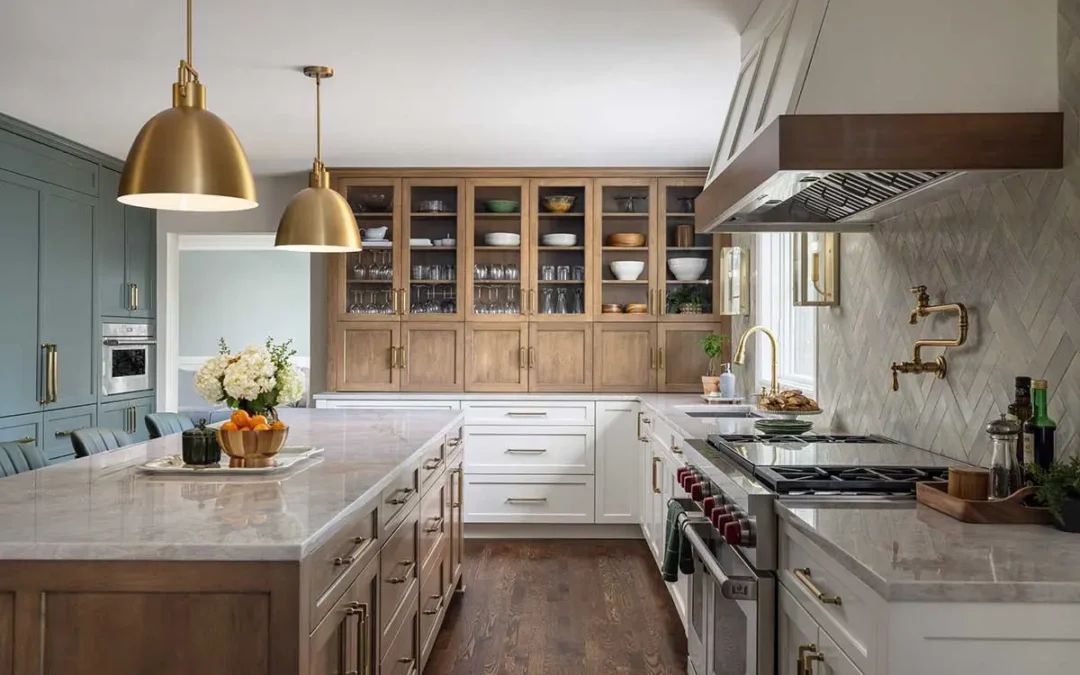
A truly exceptional kitchen is more than a place to cook—it’s where routines take shape, conversations linger and everyday moments feel a little more intentional. When thoughtfully designed, your kitchen becomes a seamless extension of how you live, blending purpose with comfort in a way that feels both natural and elevated. In this post, let’s explore the extras that go into a great kitchen addition design.
Why the Final Details Matter in a Kitchen Addition
When homeowners begin planning a kitchen addition, the focus often starts with the layout, cabinetry and appliances—and for good reason. These foundational elements define the space’s structure. However, what ultimately brings the kitchen to life are the furnishings, fixtures and finishing touches that follow.
These details shape how the space feels and functions on a daily basis. For example, the right bar stool invites conversation at the island. Well-placed lighting transforms early mornings and evening gatherings. Hardware, textiles and décor create cohesion and personality. Without these layers, even the most well-built kitchen can feel incomplete.
That’s why it’s essential to think about these elements early in the design-build process. When considered from the onset, everything works together seamlessly. The result is a kitchen that doesn’t just look beautiful, it lives beautifully.
Start With the Layout: Planning Furniture and Circulation
A kitchen addition often introduces more square footage, which opens the door to expanded functionality, but also requires careful planning to ensure the space flows naturally.
Furniture placement plays a major role in how the room is experienced. Dining tables, breakfast nooks and lounge seating near the kitchen should feel integrated into the overall layout, not like afterthoughts. It’s important to consider how people will move through the space, where they’ll gather and how different zones connect visually and physically.
Key considerations include:
- Dining area placement
- Walkways and clearance zones
- Island seating dimensions
- Open-concept flow
Clear circulation paths are especially critical in larger kitchens. Walkways should allow for comfortable movement without interrupting work zones. Island seating requires proper spacing not only for chairs, but for those walking behind them. Similarly, a dining table should feel anchored within the room while still allowing for easy navigation around it.
Open-concept kitchens demand even more attention to flow. Sightlines between the kitchen, dining and adjacent living areas should feel intentional, with furnishings helping to define each space without closing it off.
“When we design a kitchen addition, we’re not just adding cabinets; we’re designing how the room will actually be lived in every day. Seating, circulation paths and sightlines all matter,” says Doug Klee, President of Mainstreet Design Build.
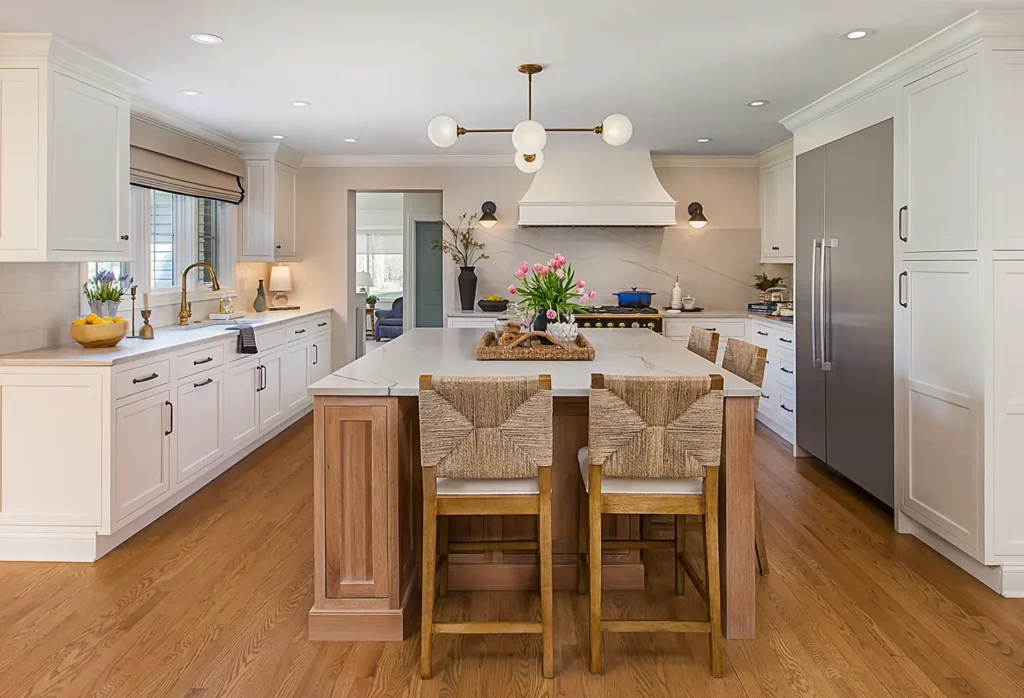
A great example of thoughtful layout planning can be seen in our Kitchen Renovation/First Floor Remodel in Beverly Hills, MI.
Select the Right Lighting Layers for Function and Ambiance
Lighting is one of the most transformative elements in a kitchen addition. It has the power to enhance functionality, highlight architectural features and create atmosphere—all within the same space.
A well-designed lighting plan incorporates multiple layers, each serving a distinct purpose. Together, they provide flexibility throughout the day, from bright task lighting during meal prep to softer ambient lighting for entertaining.
Key elements may include:
- Pendant lighting over the island
- Under-cabinet task lighting
- Recessed ceiling lighting
- Decorative fixtures above dining areas
Task lighting ensures that work surfaces are properly illuminated to reduce strain and improve safety. Under-cabinet lighting is effective for countertops, while pendants over the island offer both function and visual interest.
Ambient lighting, often achieved through recessed fixtures, provides overall illumination without overwhelming the space. Accent and decorative lighting, such as statement fixtures over a dining table, add personality and warmth.
The key is layering these elements so they can be adjusted based on the time of day or activity. Dimmer switches and zoning allow you to shift seamlessly from functional brightness to a more relaxed, inviting glow.
“Lighting is what transforms a beautiful kitchen into a truly functional one,” says Amy Fischer, Interior Designer. “I always recommend layering lighting so homeowners can adjust the mood and functionality throughout the day.”
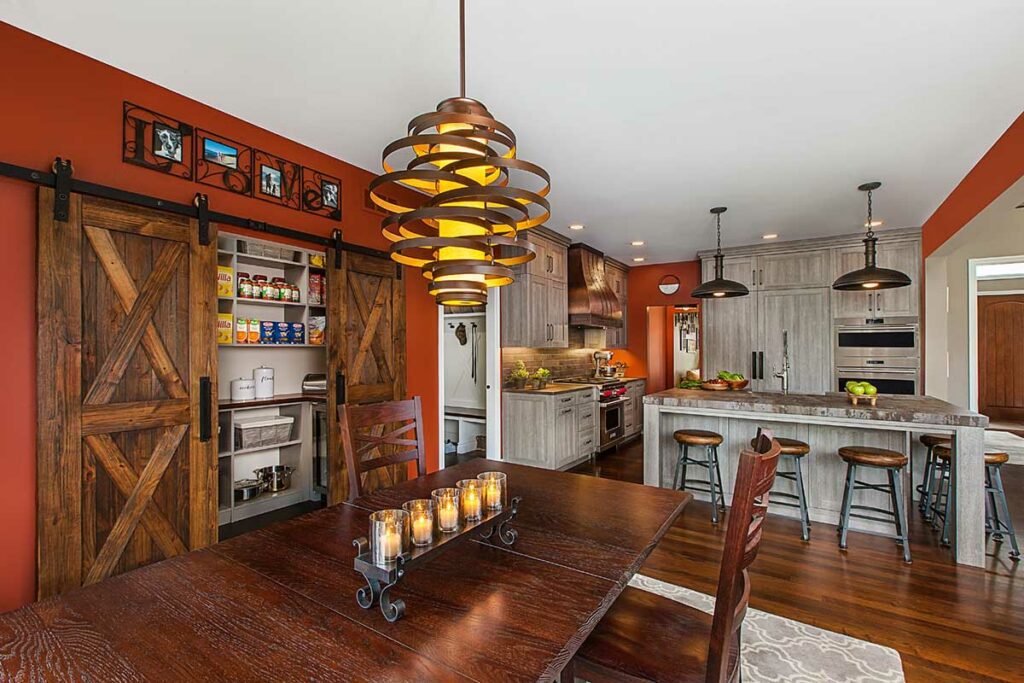
View how lighting enhances our Rustic/Modern Chef’s Kitchen Remodel in Birmingham, MI.
Choose Fixtures That Balance Style and Durability
Fixtures are where design meets daily use. From faucets to cabinet hardware, these elements are touched, used and seen constantly, making both their appearance and performance equally important. A cohesive selection of finishes also helps unify the overall kitchen design, Whether you prefer warm metals, matte black or polished chrome, consistency across fixtures creates a refined, intentional look.
Checklist items can include:
- Kitchen faucet style and finish
- Sink configuration
- Cabinet hardware
- Pot fillers
- Beverage faucets
The kitchen faucet, often a focal point, should align with both aesthetic preferences and functional needs. Pull-down sprayers, touchless options and high-arc designs can all enhance usability. Sink configuration—single bowl vs. double, apron-front vs. undermount—should reflect how the kitchen will be used.
Cabinet hardware may seem like a small detail, but it has a significant visual impact. It can reinforce the kitchen’s style, whether modern, transitional or traditional, while providing durability for daily use.
Specialty fixtures like pot fillers and beverage faucets add convenience and elevate the overall kitchen experience. When integrated thoughtfully, they contribute to both efficiency and luxury.
“Fixtures are the kitchen’s jewelry,” explains Marcelle Benetaeau, Architectural Designer. “The right faucet or hardware can elevate the entire design while still standing up to daily use.”
Furnish the Kitchen Addition for Comfort and Everyday Living
Today’s kitchen additions are designed to do more than support cooking; they serve as central gathering spaces for family and guests alike. Therefore, furnishings play a critical role in making the space comfortable, functional and adaptable.
Seating, in particular, should be both practical and inviting to reflect how the family entertains, dines and relaxes. Bar stools at the island need the correct height and spacing to ensure comfort. Dining tables should accommodate everyday meals as well as larger gatherings.
Recommended furnishings can include:
- Bar stools with proper seat height
- Dining table and chairs
- Built-in banquettes
- Storage seating or clever storage compartments
- Accent chairs or small lounge areas
Build-in banquettes are a popular choice for maximizing space while adding a cozy, custom feel. They can incorporate hidden storage too, making them practical as well as inviting. In larger kitchen additions, incorporating a small lounge area, such as a pair of accent chairs, can create a natural transition between the kitchen and adjacent living spaces. This allows the kitchen to function as a true hub of the home, supporting everything from casual conversations to quiet moments.
Flexibility is key. Furnishings should support a range of activities, from homework sessions to holiday entertaining without feeling cluttered or overdesigned.
“We encourage homeowners to think about how they’ll use their kitchen addition beyond cooking. Comfortable seating and flexible dining areas help the space support everything from homework to entertaining,” says Danielle Klee, Chief Strategy Officer at Mainstreet Design Build.

See how furnishings bring warmth and function to our Kitchen Renovation in Bloomfield Hills, MI.
Add the Finishing Touches That Personalize the Kitchen
The final layer of any kitchen addition is where the space becomes your own. Finishing touches add personality, texture and warmth to transform a well-designed kitchen into a lived-in, welcoming environment. These elements don’t need to be extensive, but they should be intentional.
Finishing details may include:
- Decorative shelving
- Artwork
- Window treatments
- Area rugs
- Plans and greenery
Open shelving offers an opportunity to display curated pieces, whether it’s ceramics, glassware or meaningful objects. Artwork introduces color and character, helping the kitchen feel connected to the rest of the home.
Window treatments soften the space, simultaneously providing privacy and light control, while area rugs can design zones, add texture and make the kitchen feel more comfortable underfoot. Greenery brings life and freshness, creating a subtle but impactful connection to the outdoors.
The key is balance. Too few details can leave the space feeling unfinished, whereas too many can create visual clutter. A thoughtful approach ensures that each element contributes to the overall design.
“Operationally, the finishing touches are what turn a completed project into a home our clients truly love,” says Kim McDevitt, Chief Operations Manager. “Those last details are often the most memorable.”
A Kitchen Addition That’s Fully Complete
A successful kitchen addition goes far beyond its structural components. It’s the thoughtful integration of kitchen furnishings, fixtures, lighting and finishes that creates a space that feels complete. From the way light falls across your countertops to the comfort of a well-placed chair, each element plays a significant role in shaping your experience. By following a kitchen addition checklist, you can ensure that no detail is overlooked.
The most memorable kitchens strike a balance between function, comfort and style. When every layer is considered from the beginning, the result is a kitchen that not only meets your expectations but exceeds them.
Ready to Design Your Kitchen Addition?
Mainstreet Design Build brings a comprehensive, client-focused approach to every custom kitchen design, making the entire process as seamless as the finished space is beautiful. With an integrated design-build model, we manage everything from initial concepts and architectural planning to construction and final detailing to ensure consistency, communication and quality at every stage. You can feel confidence throughout your remodeling journey, knowing your vision is being executed with care, precision and a deep understanding of how you live in your home now and into the future.
If you’re considering a kitchen addition or remodeling project, our team at Mainstreet Design Build is here to guide you through every detail—from the initial planning to the final finishing touches. Contact us today at 248-644-6330 to start the conversation.
Get more kitchen remodeling ideas! Sign up for our newsletter.

