

Expanding your home is an exciting milestone, but the visible construction phase is only part of the story. Long before materials arrive and trades pull into the driveway, a great deal of strategic planning is already underway. As a homeowner, understanding what happens before construction begins on your home addition can help create a smoother experience from start to finish. Let’s explore the stages you can expect throughout your project timeline.
Why the Work You Don’t See Matters Most Before Construction Begins
Many homeowners assume construction begins once the architectural drawings are complete. In reality, the most crucial decisions occur well before that point. The home addition planning process determines whether your project unfolds with precision—or unnecessary stress.
The pre-construction phase is where budget expectations are aligned, structural challenges are anticipated and design intent is refined. It protects your investment by identifying potential issues before they become expensive change orders. It also safeguards your timeline by ensuring permits, engineering and selections are coordinated in advance.
Perhaps most importantly, thoughtful pre-construction planning protects your daily livability. For homeowners who value both aesthetics and efficiency, minimizing disruption is just as important as achieving a beautiful result. A design-build home addition succeeds because the unseen work is done with discipline, collaboration and foresight.
Stage 1: Discovery & Goal Alignment—Clarifying Your “Why” Before Design Begins
Before discussions of square footage or finishes begin, the process starts with understanding intent.
- Why is your addition necessary?
- What isn’t working in your current layout?
- How does your home need to function—now and in five or ten years?
Discovery is about refining lifestyle. Growing families, aging-in-place considerations, multigenerational living, entertaining needs or simply a desire for more light and openness all shape the direction of a project. Without clearly defining the “why,” design decisions can become reactive instead of strategic.
This early stage also includes evaluating your existing home and site. Structural limitations, property lines, grading conditions and neighborhood architectural context all influence what is feasible. Addressing these realities early helps avoid costly adjustments and unmet expectations down the road.
“Before we talk about square footage or cost, I want to understand why the addition is necessary,” says Doug Klee, President of MainStreet Design Build. “When we align the project with how a family actually lives, every decision that follows becomes clearer—and smarter.”
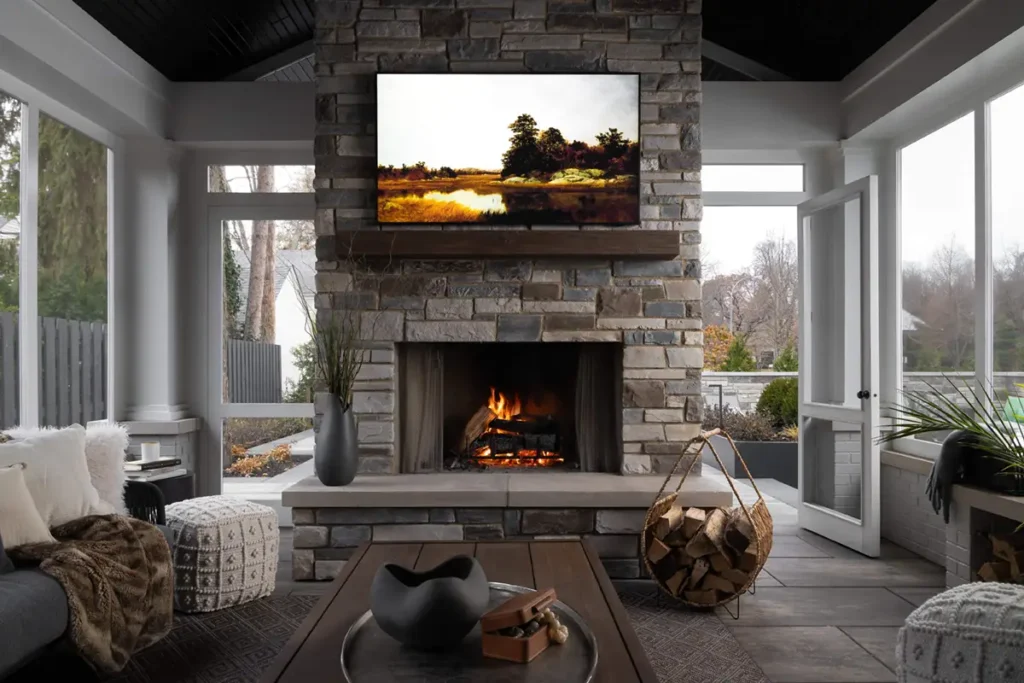
In our thoughtfully executed Three-Season Room Remodel in Huntington Woods, this addition was driven by lifestyle enhancement rather than sheer square footage. The goal was to create a seamless connection to the outdoors while respecting the home’s existing character.
Stage 2: Architectural Design: Translating Needs into a Cohesive Plan
Once your goals are clearly defined, architectural design begins translating those needs into form. This stage of the pre-construction process is where proportion, flow and structural integrity converge.
A well-designed addition does more than attach new space to an existing structure; it integrates it. Floor plan development focuses on circulation patterns, sight lines and how old and new areas relate to one another. Ceiling heights, rooflines, window placements and transitions must feel natural rather than forced.
Structural considerations are equally critical. Load paths must be evaluated. Foundations may require reinforcement. Roof connections must be engineered carefully to prevent water intrusion and long-term performance issues. These are not aesthetic decisions, yet they profoundly affect the outcome.
Early zoning and setback reviews are also conducted during the addition’s architectural design phase. Municipal requirements vary, and overlooking them can lead to costly redesigns. By addressing code compliance at the outset, the project avoids preventable delays or surprises down the road.
“A successful addition should feel like it was always part of the home. During this phase, we’re solving for flow, proportion and structure—long before construction ever begins,” says Marcelle Beneteau, Architectural Designer at MainStreet Design Build.

A compelling example of this level of architectural integration can be seen in our Interior Remodel with Multiple Additions in Bloomfield Hills. The additions were carefully designed to respect the home’s original architectural while expanding functionality in a cohesive and elegant way. The result feels intentional.
Stage 3: Interior Design Planning: Making the Addition Feel Intentional
While architectural plans define structure and layout, interior design planning defines experience. This stage ensures your addition feels integrated rather than separate.
Material continuity is often the subtle detail the distinguishes a refined project from an obvious addition. Flooring transitions, trim profiles, cabinetry styles and color palettes must relate thoughtfully to existing spaces. Lighting design must be layered and purposeful, not merely functional.
Early finish selections also influence your home addition’s cost planning process. Cabinetry configurations affect electrical layouts. Appliance choices impact ventilation and structural considerations. Flooring materials can influence subfloor preparation. When selections are delayed until construction is underway, they can create ripple effects that disrupt the schedule and budget.
“Pre-construction is where we prevent design regret,” explains Amy Fischer, Interior Designer at MainStreet Design Build. “Selecting finishes and layouts early ensures the new space doesn’t feel disconnected, or like an afterthought.”

In our Poppleton Park Exterior Renovation & Home Addition in Birmingham, interior and exterior elements were curated in tandem. The result is a seamless visual transition that elevates the entire property and not just the added square footage.
Stage 4: Budget Development & Cost Transparency
Design excellence must be matched by financial clarity. Establishing realistic investment parameters early is essential to a smooth design-build home addition.
Budget development during pre-construction involves detailed cost modeling tied directly to design decisions. Rather than offering vague allowances, a transparent process breaks down projected costs by scope categories: foundation, framing, mechanical systems, finishes and more. This provides you with a clear understanding of where your investment is allocated.
Value engineering is most effective when conducted before construction, not during it. Adjusting scope, materials or design complexity on paper is far more efficient than revising built work. Early budget alignment preserves both design integrity and financial confidence.
“This is where trust is built,” Doug says. “When homeowners understand how their design choices affect costs up front, we avoid stressful surprises once construction begins.”
Stage 5: Engineering, Permits & Final Construction Readiness
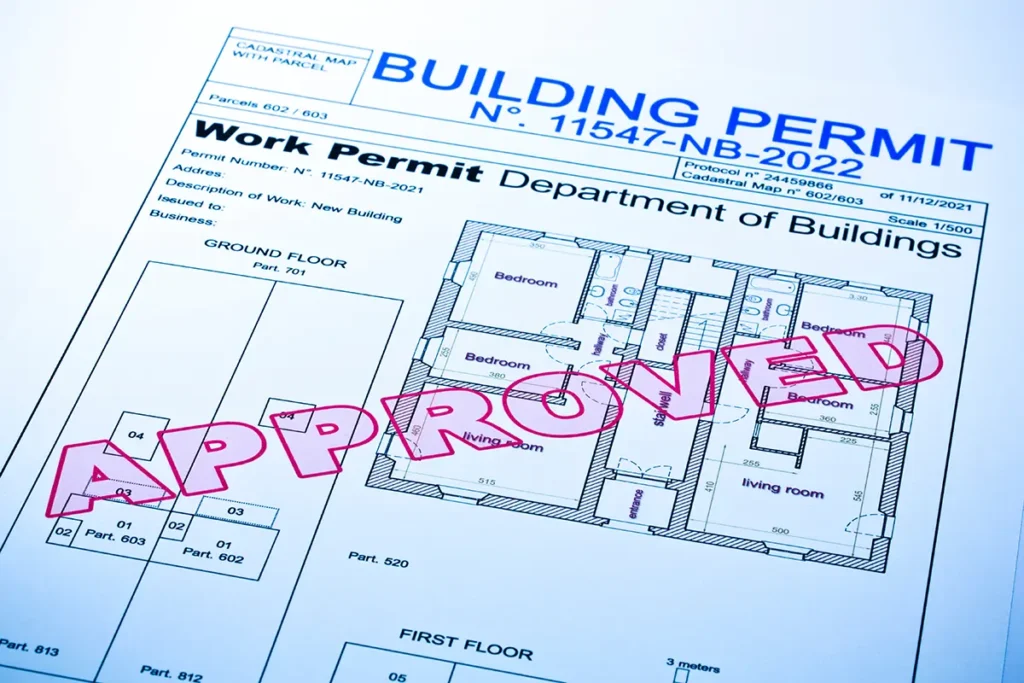
As architectural and interior plans are finalized, your project transitions into technical coordination. Structural engineers review load calculations and finalize drawings. Mechanical systems are coordinated to ensure proper performance and energy efficiency. Details are refined to eliminate ambiguity.
Permit documentation is prepared and submitted to the appropriate municipality. Each jurisdiction has specific requirements, and thorough documentation reduces the likelihood of review delays.
Simultaneously, construction schedules are developed. Trade partners are briefed. Material lead times are confirmed. Long-lead items are ordered strategically to align with the build sequence. By the end of this pre-construction phase, the project is no longer conceptual; it is executable. Every major decision has been considered. Every drawing reflects coordination. And every approval is in motion.
Pre-Construction is the Foundation of a Successful Home Addition
Rushing or minimizing the pre-construction phase often leads to frustration. Unanticipated structural issues, budget overruns, delayed permits and design changes mid-build can quickly erode confidence.
For homeowners investing in high-level renovations, that experience is avoidable.
A design-build home addition contractor streamlines the process by uniting architectural design, interior planning, budgeting and construction under one coordinated team. Communication is centralized. Accountability is clear. Decisions are proactive rather than reactive.
Your home addition planning process should be viewed not as a hurdle, but as an investment—one that protects your time, your resources and your home’s long-term value. When the unseen work is handled with care and expertise, the visible construction phase becomes far more predictable—and far more rewarding.
If you’re considering a home addition in the Birmingham, MI area, connect with us here at MainStreet Design Build. Schedule a consultation through our Contact Page or call us directly at 248-644-6330 to begin the conversation.
Subscribe to our newsletter for more design insights.

