
Custom Eat-In Kitchen Design & Remodeling in Birmingham, MI
An eat-in kitchen combines cooking and dining into one comfortable, functional space. Instead of separating meal preparation and dining into different rooms, the kitchen includes a dedicated area for everyday meals—whether that’s a table, breakfast nook, banquette, or seating built into an island.
For many Birmingham homeowners, an eat-in kitchen becomes the heart of daily living. It’s where morning coffee happens, homework gets finished, and family meals naturally unfold. The right layout allows cooking, dining, and gathering to happen in one cohesive space without sacrificing flow or comfort.
When thoughtfully designed, an eat-in kitchen can also maximize square footage in both small kitchens and larger open-concept homes.
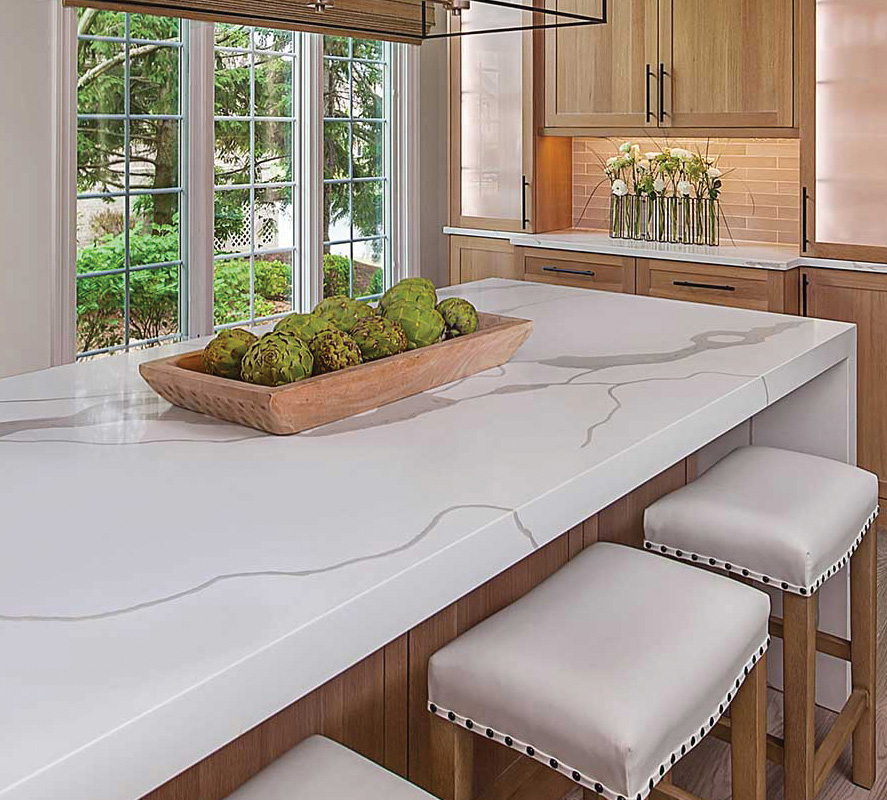
Start planning your home addition today
Popular Eat-In Kitchen Design Ideas
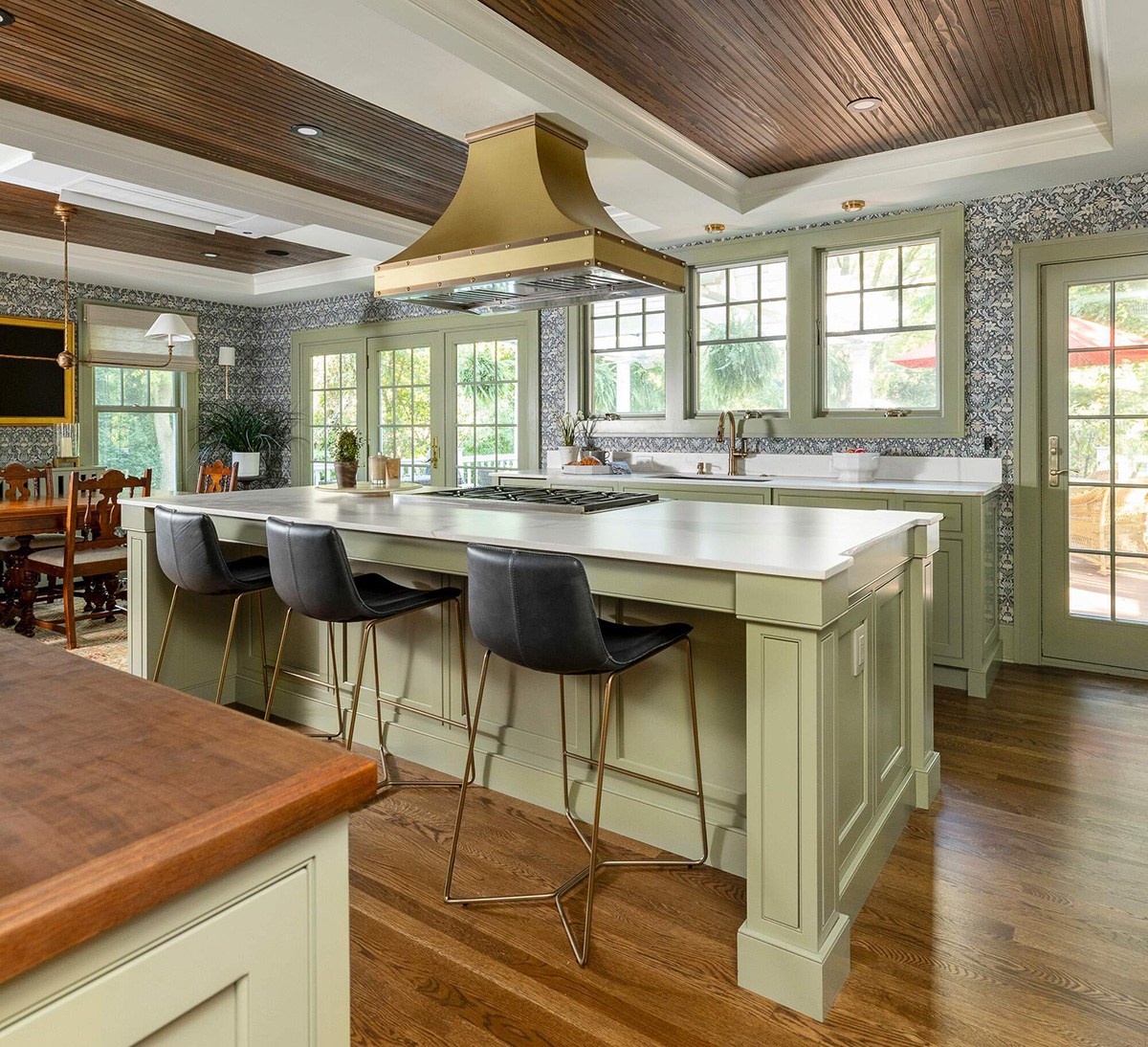
An eat-in kitchen can take many forms depending on the layout of the home, the size of the kitchen, and how the space is used day to day. Some homeowners prefer a cozy built-in nook, while others incorporate seating into an island or peninsula.
Here are a few of the most common ways eat-in kitchens are designed.
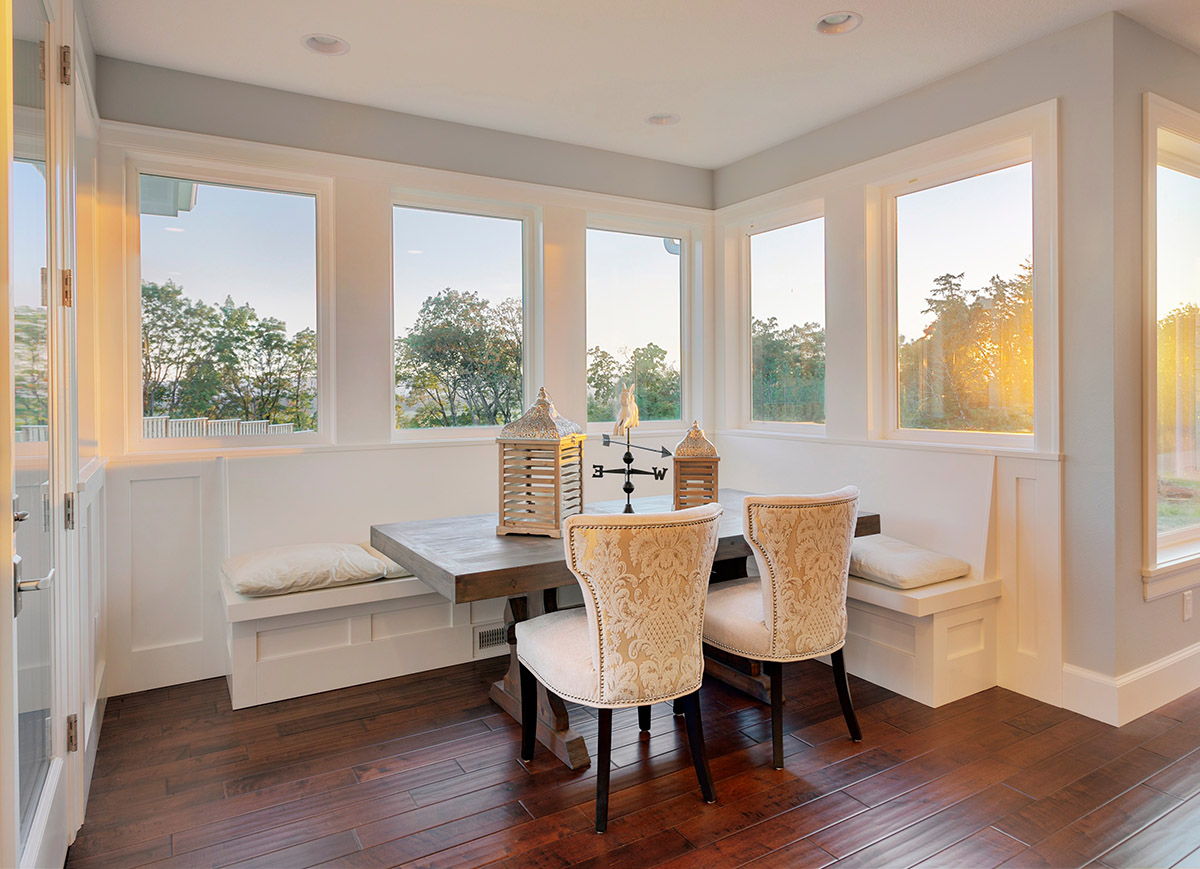
Built-In Banquettes and Breakfast Nooks
A built-in banquette or breakfast nook creates a comfortable dining space within the kitchen footprint. These seating areas are especially effective in smaller kitchens or in homes where maximizing floor space is important.
Banquettes can be tucked into corners or placed along a wall with a table at the center. Upholstered seating, built-in storage beneath benches, and custom millwork can make the space feel both functional and inviting.
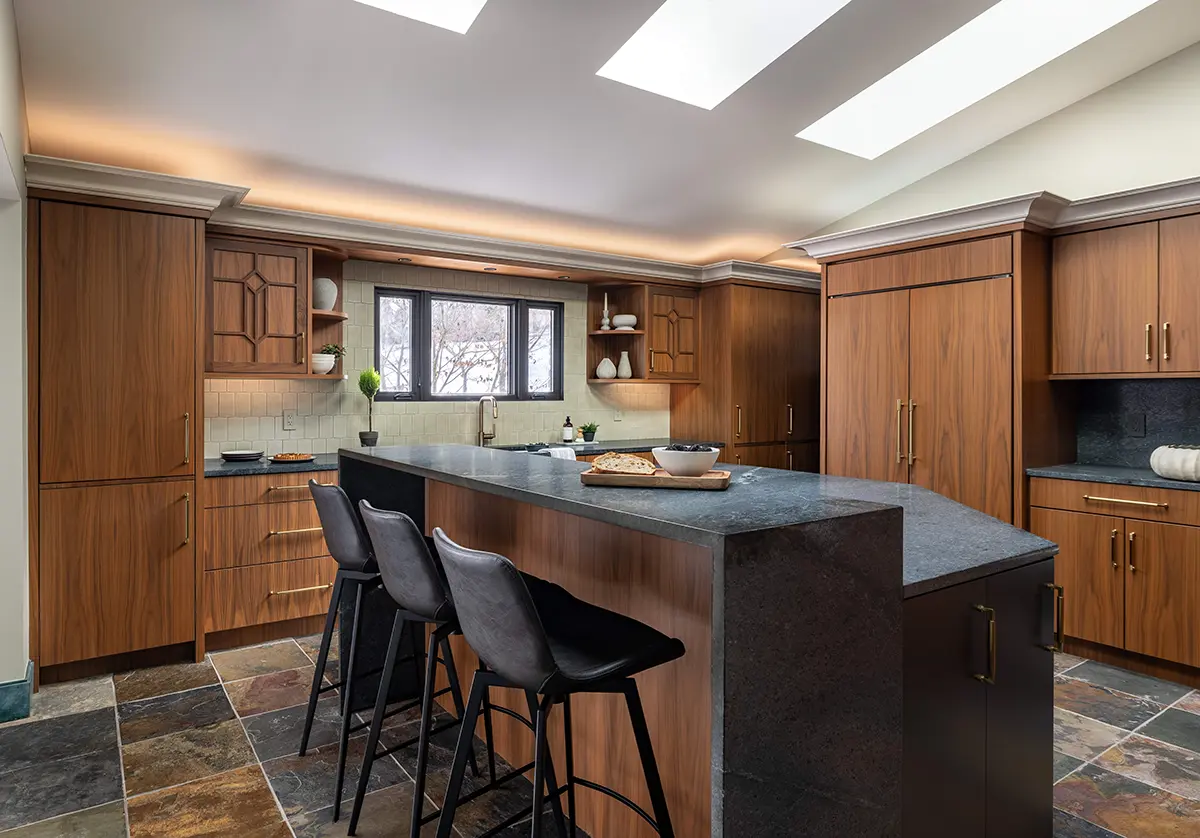
Kitchen Islands with Integrated Seating
In many modern kitchens, the island becomes the natural place for dining. By integrating seating directly into the island, cooking, serving, and gathering happen in one connected area.
Island seating works particularly well in open-concept kitchens where homeowners want to maintain a casual dining option while keeping the kitchen visually connected to adjacent living spaces.
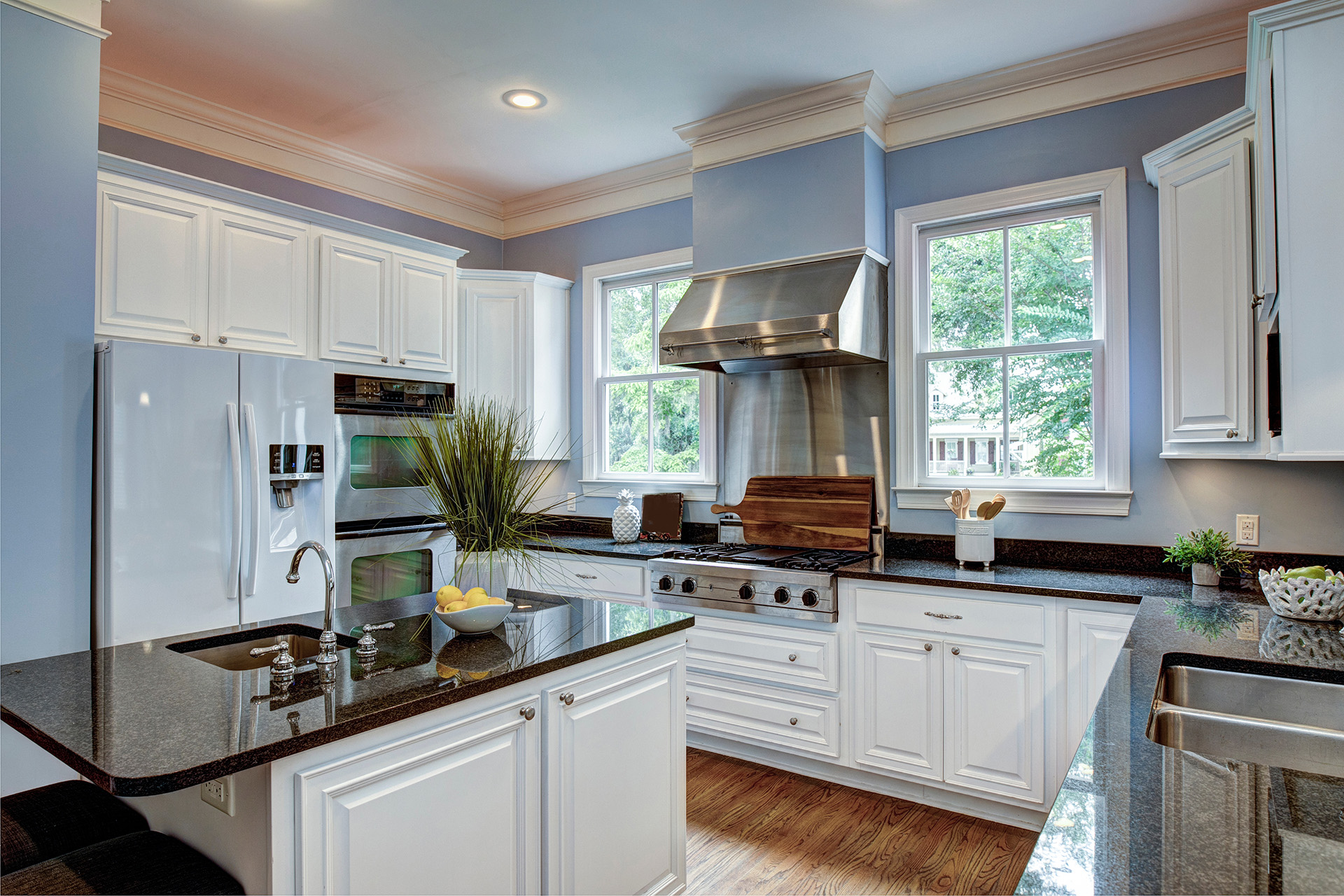
Smart Layouts for Smaller Kitchens
Many homes in Birmingham, especially historic properties, have kitchens that were designed decades ago when kitchens were smaller and more separated from living areas.
With thoughtful planning, even a compact kitchen can include an eat-in area. Space-saving layouts, built-in seating, or flexible dining surfaces allow homeowners to incorporate everyday dining without overcrowding the room.
Opening the Kitchen for Modern Living
In many kitchen remodels, the biggest transformation comes from changing the layout rather than simply updating finishes.
Older homes often have kitchens that are closed off from dining rooms or family rooms. Reconfiguring walls, widening openings, or adjusting traffic flow can create space for an eat-in dining area while making the kitchen feel larger and more connected to the rest of the home.
Careful structural planning is often required when modifying walls or adjusting layouts. Load-bearing elements, mechanical systems, and existing framing must all be evaluated to ensure the new design functions properly.
When the structure and layout are thoughtfully redesigned, the result is a kitchen that feels open, comfortable, and naturally suited for everyday living.
The Design-Build Process for an Eat-In Kitchen Remodel
Creating a successful eat-in kitchen requires more than selecting cabinets and finishes. The layout must support how the space will be used day to day, from morning routines to family meals and entertaining.
A design-build approach keeps the entire project coordinated under one team, from architectural planning through construction, so design decisions, budgets, and construction details stay aligned from the beginning.
Below is what homeowners can expect during a typical kitchen remodeling process:
Step 1 | Design & Planning
The first phase focuses on understanding how the kitchen should function and how the eat-in area will support everyday living.
Initial conversations explore priorities such as cooking habits, entertaining needs, and how the kitchen connects to surrounding spaces like the dining room, family room, or Great Room.
During this stage, designers evaluate the existing layout and begin developing concepts that improve circulation, storage, and dining space. Floor plans and early design ideas help visualize how the kitchen could evolve.
As the design develops, concepts are translated into detailed drawings and 3D renderings. These help homeowners see how cabinetry, seating areas, and architectural elements will work together in the finished space.
A clear scope of work and investment range is then prepared so decisions can be made confidently before construction begins.
Step 2 | Pre-Construction Preparation
Once the design is finalized, the project moves into a preparation phase that ensures construction runs smoothly.
Construction drawings are completed and permits are submitted so the project can move forward according to local building requirements. Material selections, such as cabinetry, countertops, lighting, and flooring, are finalized during this stage.
Project planning also includes scheduling, logistics coordination, and setting up a communication system so homeowners can easily track progress and approvals.
By addressing these details before construction begins, the build phase can proceed efficiently and with fewer surprises.
Step 3 | Construction
With planning complete, construction begins.
During this phase, the remodeling team carries out the structural changes, mechanical updates, and finish installations that bring your design to life.
Regular progress updates and milestone meetings allow homeowners to stay informed as the project moves through key stages such as framing, electrical and plumbing work, drywall, cabinetry installation, and final finishes.
The goal throughout construction is to maintain clear communication while delivering craftsmanship and precision at every stage of the project.
Step 4 | Completion & Warranty
As construction wraps up, the project concludes with a detailed walkthrough to review the finished kitchen and ensure every element is performing as intended.
Homeowners receive documentation about materials and warranty coverage, along with guidance for maintaining the new space.
Follow-up communication after completion helps confirm that everything continues to perform properly as the kitchen becomes part of everyday life.
Working With Mainstreet Design Build
For homeowners in Birmingham and throughout Oakland County, Mainstreet Design Build provides a fully integrated design-build experience that guides each project from the first design conversation through construction and completion.
By coordinating architectural design, structural planning, and construction under one team, the process remains organized, transparent, and focused on creating a kitchen that supports the way each household lives and gathers.
With 35 years of residential remodeling experience, Mainstreet Design Build has helped homeowners throughout Birmingham transform their kitchens with thoughtful design and careful craftsmanship.
Ready to create a custom eat-in kitchen designed around the way you live? Schedule a design consultation with our team today, and start turning your ideas into a beautifully executed plan.
Eat-In Kitchen Frequently Asked Questions
Q: How much space do you need for an eat-in kitchen?
A: The space required for an eat-in kitchen depends on the layout and type of seating you plan to include.
For a rectangular kitchen, a dining area at the end of the room typically needs at least 60 inches of depth to comfortably fit a table that seats four to six people.
For square or L-shaped kitchens, a corner often works well for a built-in banquette or breakfast nook.
To keep the kitchen comfortable and functional, plan for:
- 36 inches of walkway clearance for easy movement through the kitchen
- 24 inches of space between chairs for comfortable seating
Thoughtful spacing ensures the eat-in area feels integrated rather than crowded.
Q: What design trends are shaping eat-in kitchens in 2026?
A: Eat-in kitchens are increasingly designed as multi-functional gathering spaces, not just places for casual meals.
Several trends shaping kitchen design include:
- Natural materials such as wood cabinetry and stone surfaces
- Organic shapes like curved islands or banquettes
- Warmer color palettes inspired by nature
- Integrated seating areas that encourage conversation and everyday use
These elements help create kitchens that feel welcoming, comfortable, and connected to the rest of the home.
Q: Can you add an eat-in kitchen to a small kitchen?
A: Yes. Even compact kitchens can incorporate an eat-in area with the right layout and design strategy.
Several solutions work well in smaller spaces:
- Built-in banquettes or breakfast nooks that fit neatly into corners
- Kitchen islands with integrated seating
- Flexible dining surfaces that double as prep space
- Compact or armless seating that keeps circulation paths open
With thoughtful planning, a small kitchen can still include a comfortable place for everyday meals and casual gathering.
Related Articles
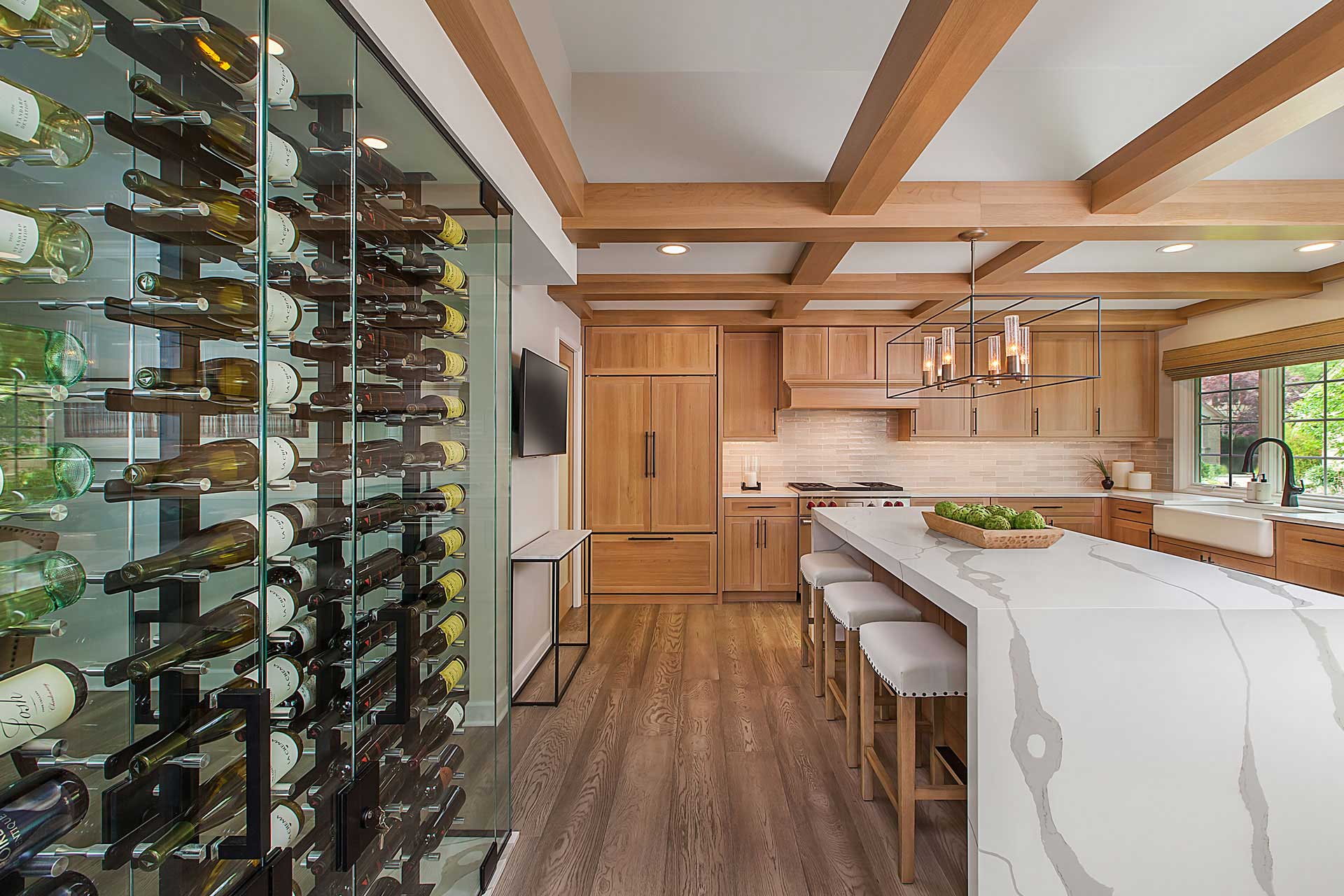
A Luxurious Condo Kitchen Remodel in Bloomfield Hills, MI
As part of the whole house renovation, this kitchen underwent an extensive makeover, transforming into a grand, modern masterpiece…

Open Concept Transitional Kitchen Remodel and Addition in Birmingham, MI
Dive into this open-concept kitchen remodel in Birmingham, MI. as it transforms into an expansive, open-concept space…
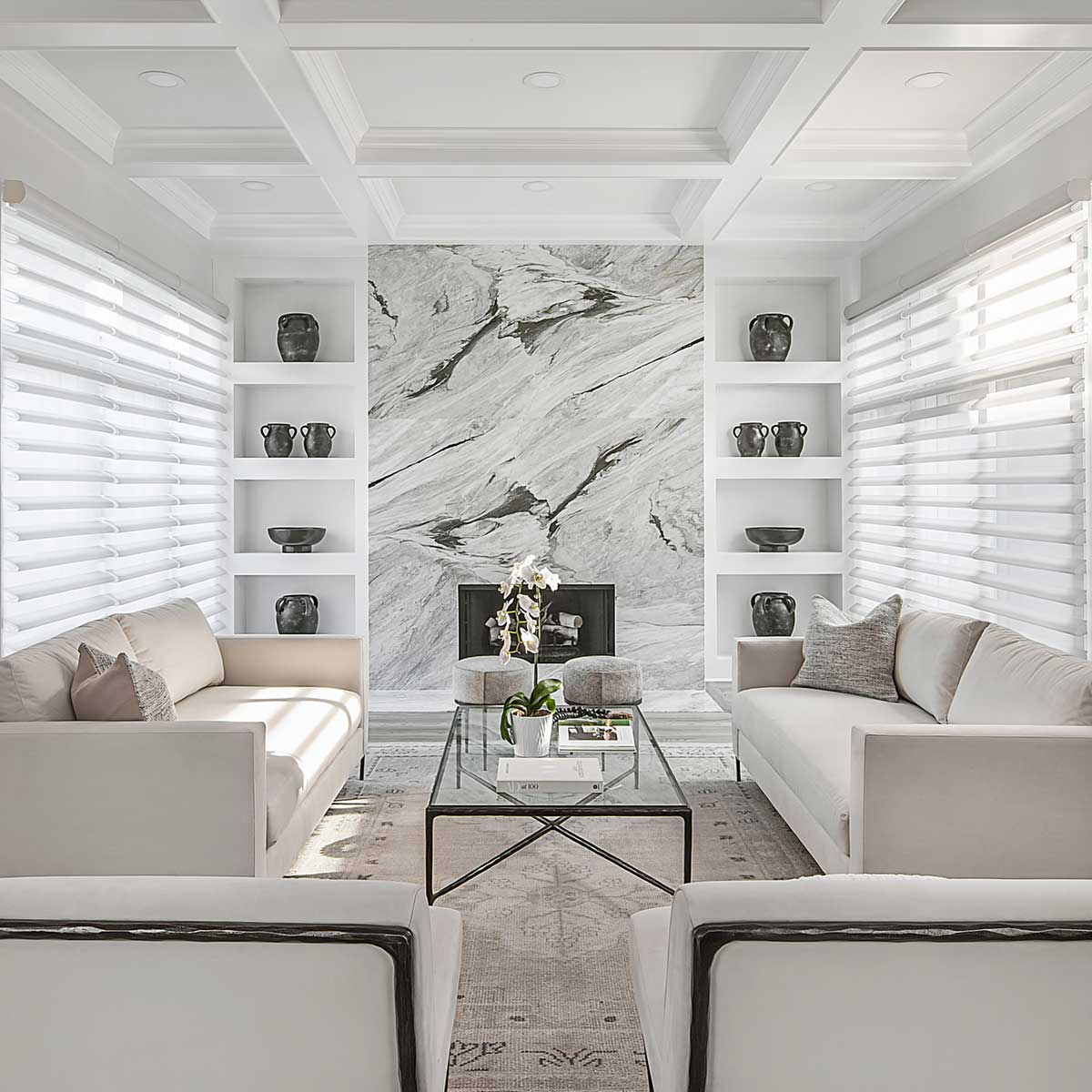
Interior Home Remodel in Bloomfield Hills, MI
Our mission was clear: transform this space into a spa-like retreat that embraces the serene views, offering a perfect balance of relaxation and entertainment for…